What It Means for the Industry, the Economy, and Consumers
The UK grocery sector is currently witnessing a significant shift as Asda, the country’s third-largest supermarket chain, engages in what many analysts are calling an “Asda Price War.” This new strategy could have far-reaching implications for the industry, economic growth, and consumers. Asda’s aggressive price cuts are forcing competitors, such as Tesco, Sainsbury’s, and Marks & Spencer (M&S), to react in order to maintain their market share. But what exactly is this price war, and how will it affect the broader grocery industry and economy?
What is the Asda Price War?
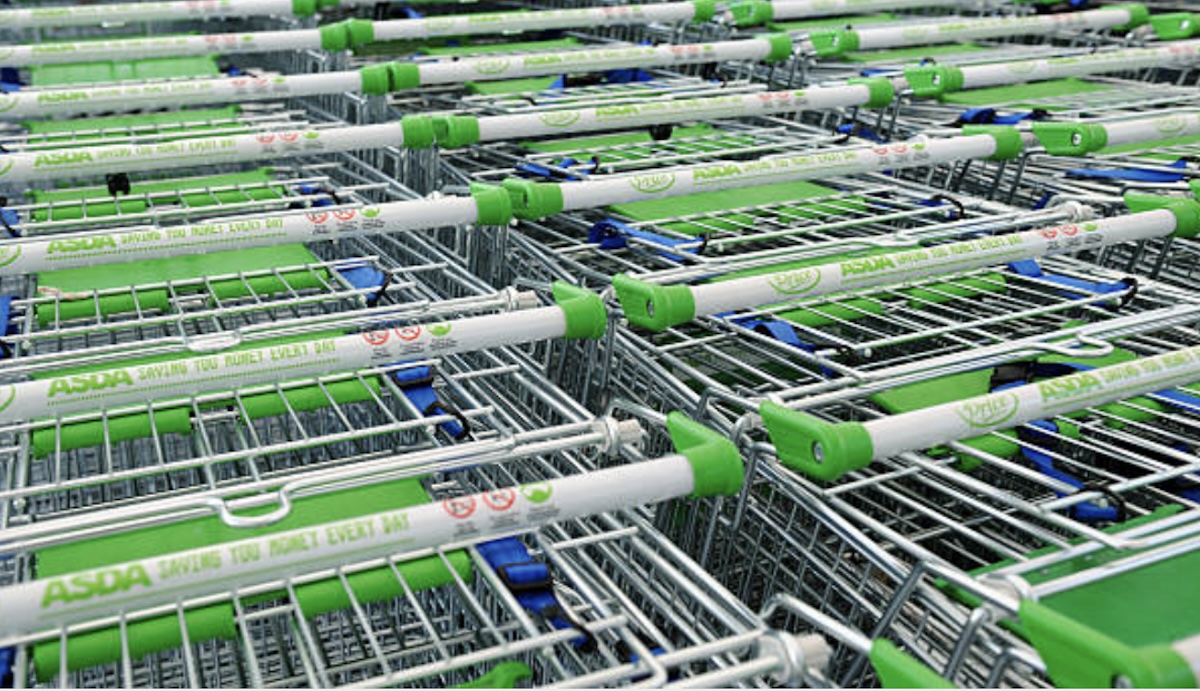
The term “Asda Price War” refers to the supermarket chain’s decision to cut prices significantly in order to compete more effectively with its rivals, especially Tesco and Sainsbury’s. Asda has indicated that it is willing to invest heavily in lowering prices and improving the in-store experience by hiring more staff. This move comes after several years of struggling sales, which have seen Asda lose market share to other players in the grocery sector.
The company has a considerable “war chest” of financial resources, enabling it to offer lower prices and attempt to reclaim lost ground in the competitive market. However, while Asda’s intentions are clear, it remains uncertain whether it can sustain these price cuts over the long term, especially if volume growth doesn’t improve.
Impact on the Industry
The Asda Price War is creating significant disruption in the UK grocery industry, particularly for its biggest competitors: Tesco, Sainsbury’s, and Marks & Spencer. Since the announcement of Asda’s price cuts, shares in Tesco, Sainsbury’s, and M&S have taken a collective hit of over £4 billion, signaling the market’s concern about the increased competition.
To remain competitive, these supermarkets are expected to follow suit and reduce their prices, which will lead to squeezed profit margins for all players involved. The price reductions will likely put pressure on the entire supply chain, from food producers to delivery networks, which may increase operational costs for the supermarkets. This could affect their long-term profitability, especially if the price cuts do not lead to significant volume growth or customer retention.
Additionally, the grocery sector is already facing rising costs due to factors like national insurance changes and higher wages. Tesco, for instance, has announced wage increases for its employees, which could further add to cost pressures. Despite this, the need to reduce prices could create a highly competitive environment, where profitability becomes secondary to market share.
Economic Growth and Market Competition
While the immediate effects of the Asda Price War may result in financial strain for some of the major supermarkets, it could have positive long-term implications for the UK economy. Lower prices in the grocery sector could lead to increased consumer spending power, as customers will pay less for essential goods. This could stimulate other sectors of the economy, such as retail and leisure, as consumers have more disposable income to spend elsewhere.
Furthermore, increased competition may encourage further innovation in the sector, with supermarkets focusing on efficiency, digital offerings, and customer service to maintain market share. This could lead to a more dynamic and competitive market, which benefits consumers through better value and improved services.
However, there is also the risk that relentless price cutting could lead to “irrational” competition, where profit margins are slashed to unsustainable levels. This could affect the quality of services or goods offered, as retailers may cut corners in other areas to offset reduced profits.
How Will It Benefit Consumers?
The Asda Price War is already creating tangible benefits for consumers. With lower prices being offered by Asda, Tesco, Sainsbury’s, and other competitors, shoppers will see reduced grocery bills, especially on everyday items. This price reduction is particularly important in a time when inflation has driven up the cost of living for many families in the UK.
Moreover, as supermarkets lower prices, consumers may have access to better deals, promotions, and loyalty programs that further enhance their shopping experience. The price cuts could also encourage more people to switch to discount retailers like Asda, which will increase competition among grocery chains.
However, consumers should also be aware that while short-term savings are enticing, long-term price wars can sometimes lead to reduced service quality or even fewer choices as some players exit the market. This makes it important for shoppers to stay informed about the overall health of the industry and any potential shifts in product quality or availability.
A Double-Edged Sword for the UK Grocery Sector
The Asda Price War represents a significant shift in the UK’s grocery sector, one that is reshaping how major supermarkets operate and how they compete for market share. For the industry, it signals heightened competition and the potential for reduced profit margins across the board, as rivals are forced to lower prices in response. While this creates challenges for businesses, it could also benefit the UK economy by boosting consumer spending power and fostering innovation in the retail sector.
For consumers, the price war offers immediate financial relief, with lower grocery prices helping to ease the pressure of inflation. However, the long-term sustainability of these price cuts remains uncertain, and shoppers should stay mindful of how these changes might affect product quality and market dynamics in the future.
Ultimately, the Asda Price War is a powerful reminder of the role competition plays in shaping markets and influencing economic growth, with both positive and negative consequences for the players involved.