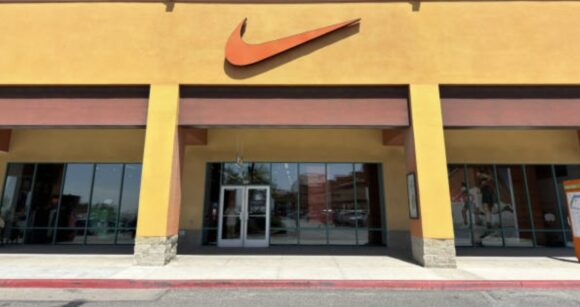
Nike is embarking on a significant transformation as it navigates increasing competition and past strategic missteps. The athletic powerhouse announced that its CEO will retire next month, with a veteran executive stepping into the role. This leadership change comes at a critical time as Nike’s stock experienced a 9% uptick in after-hours trading, although it has fallen 24% this year.
The company is grappling with a slowdown in consumer spending, particularly as shoppers shift their priorities from high-end sneakers and athletic apparel to more essential items and experiences like concerts and travel. This evolving consumer behavior has intensified competition from emerging brands such as Hoka and On, making it imperative for Nike to adapt quickly.
Sales figures reflect the challenges, with flat results reported last quarter and a forecasted 10% decline for the upcoming quarter. Analysts have pointed to a lack of innovative products as a key factor in Nike’s struggles, highlighting that the brand has become less aggressive in its product innovation, particularly in the running category.
The leadership change signals a renewed commitment from Nike’s board to address these challenges and implement a turnaround strategy. Investors and analysts have largely welcomed the transition, indicating a strong desire for change at the top.
Additionally, Nike’s recent attempts to overhaul its distribution strategy have faced setbacks. In a bid to boost profits, the company reduced its reliance on traditional retailers in favor of direct sales through its own channels, including online platforms. Nike has previously stated that it can achieve more than double the profit selling directly compared to through wholesale partners.
However, this abrupt shift has negatively impacted sales, leading Nike to re-establish relationships with some retailers it had initially cut. Analysts have noted that the company may have underestimated the critical role of third-party retailers in its sales strategy.
Nike is not alone in facing these pressures; other major sportswear brands, including Lululemon and Under Armour, are also experiencing significant challenges. Lululemon’s stock has plummeted 46% this year, while Under Armour has seen an 8% decline.
As Nike navigates this transition, its ability to innovate and adapt will be crucial in regaining market share and meeting evolving consumer demands.